Effortless Tape-Ins Are Trending — Here Is the Pro Truth About Them
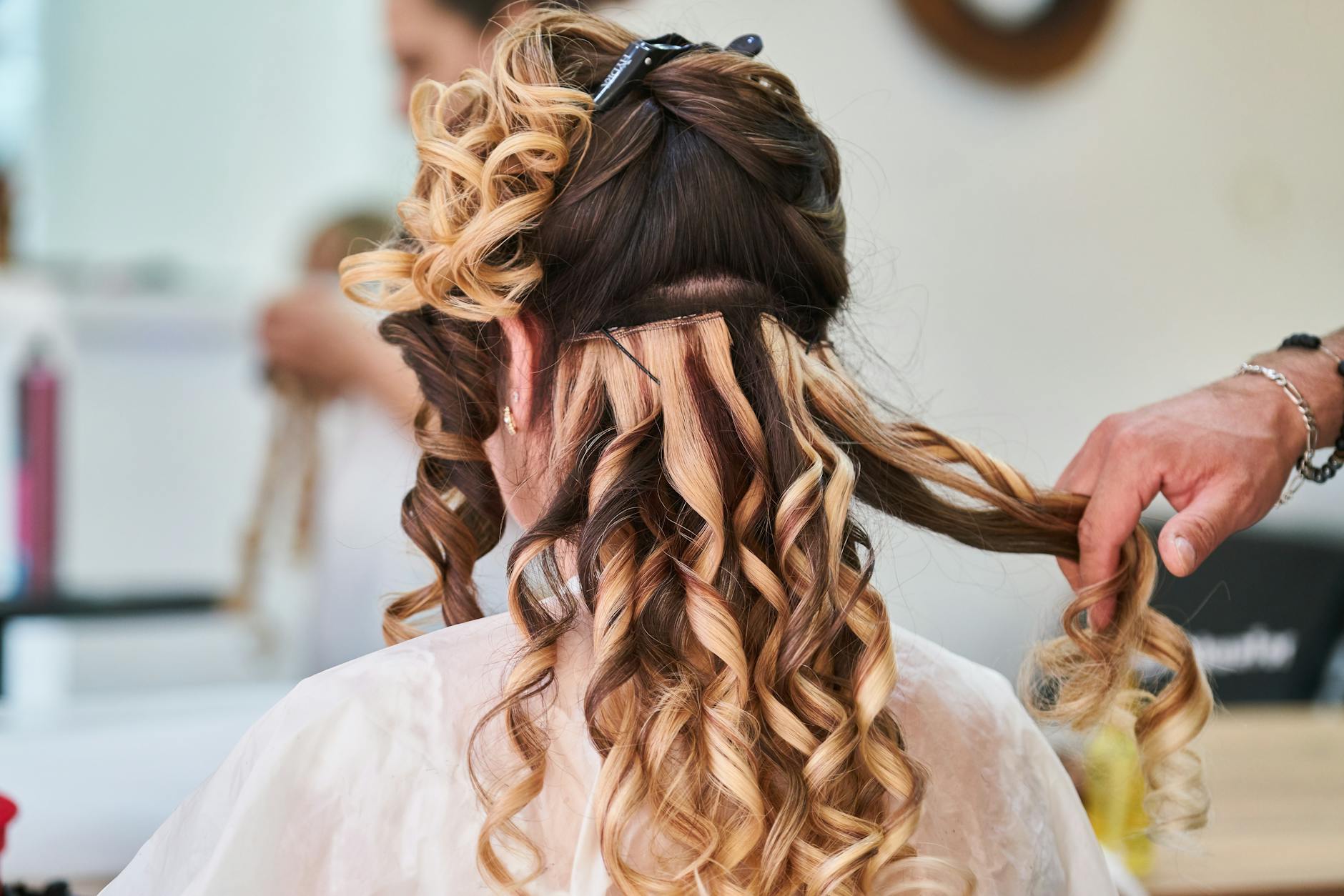
Effortless Tape-Ins Are Trending — Here Is the Pro Truth About Them
Search volume for "effortless tape-in extensions" has climbed steadily through 2025 and into 2026, driven largely by consumer-facing marketing from a handful of brands positioning their tape-in systems as low-skill, low-maintenance, and practically DIY-ready. Extension specialists across the industry are watching this with a mixture of recognition and concern: the method itself is sound, but the messaging is stripping away exactly the professional context that makes tape-ins work reliably. This is not the first time a technically solid method has been over-simplified into a consumer trend that generates a wave of corrective appointments. What the data from professional forums and stylist communities suggests is that the gap between marketed expectation and service reality has rarely been wider.
What "Effortless" Actually Means in the Tape-In Market
The brands leading this positioning are not selling a new tape-in system. They are selling a reframed narrative around existing tape technology — one that emphasizes how quickly the method goes in (30-45 minutes for a light fill), how flat the result lies against the head, and how little salon time is required compared to beaded or bonded methods. These claims are accurate in isolation. A skilled technician who has done 300+ tape installations genuinely can complete a straightforward application in under an hour.
The professional reality that these marketing narratives obscure is the prep and removal labor. Consumer reviews that describe tape-ins as "effortless" are describing their experience of sitting in the chair while a trained stylist handles adhesive removal, section preparation, and precise sandwich placement. That prep work — which typically runs 45-90 minutes on its own and requires specific product protocols to avoid adhesive buildup and strand damage — is invisible to the client and invisible in consumer content.
Extension specialists in professional communities report that the "effortless tape" trend has produced a measurable uptick in clients arriving for remove-and-reapply appointments with significant adhesive buildup from at-home bonding solutions, matting at the tape line from extended wear, and improper placement that caused the sandwiched hair to thin over the 6-8 week cycle. One practitioner with a 10-year extension practice in the Pacific Northwest described seeing "a client every other week now who tried to do a fill herself after watching a 3-minute YouTube video. The remove alone costs her an hour of my time."
The Professional Service Reality: Time, Pricing, and Expectation Management
Where the effortless narrative creates the most friction for extension businesses is in the pricing conversation. A consumer who has watched influencer content describing tape-ins as a quick, inexpensive, practically self-service method arrives at a $350-$600 initial installation quote and experiences genuine sticker shock — not because the price is unreasonable, but because her reference point is the marketing, not the skilled labor involved.
Experienced extension practitioners have developed specific consultation language to bridge this gap before it becomes a booking problem. The standard approach: open with the actual service steps rather than the headline result. "We're going to spend the first 45 minutes on prep — sectioning, cleaning the placement zone, and making sure your natural hair is in the right state to accept the adhesive. Then the application itself takes about 30 minutes per row, and you'll have 2-3 rows. Then we style and check the blend." When clients understand the sequence, they understand the price.
The other variable the "effortless" narrative systematically underweights is the 6-8 week maintenance cadence. Tape-ins are not a set-and-forget method. The adhesive weakens as sebum and product build up at the tape line, the extension hair grows out with the natural hair creating a visible gap, and the sandwiched sections can shift and mat if left beyond the recommended window. Clients who extend their wear to 10-12 weeks — common among clients who associate the method with low maintenance — arrive for remove-and-reapply appointments with significantly more removal labor and sometimes strand damage at the tape line. The "effortless" framing has effectively trained a subset of clients to neglect the maintenance that makes the method work.
The Technical Variables That Determine Whether Tape-Ins Actually Work
The professional community's consistent position on tape-in results comes down to three technical variables that marketing rarely addresses: hair porosity at the placement zone, adhesive selection, and the sectioning grid.
Hair porosity determines how well the adhesive bonds to the natural strand. High-porosity hair — common in clients with color-damaged or chemically treated hair — has a cuticle that lays open rather than flat, which can cause adhesive to grip unevenly and the tape to release prematurely. On high-porosity hair, extension specialists typically apply a light protein treatment at the placement zone before installation, or select a flex-bond adhesive specifically formulated for porous strands. Standard retail tape applied blind to high-porosity hair without this adjustment has a measurably shorter service life — specialists in professional forums cite 3-4 weeks of reliable adhesion versus the marketed 6-8 weeks.
The sectioning grid — the precise horizontal panel width and thickness — determines whether the finished install lies flat and invisible or shows separation and drag lines. The industry standard for panel thickness is roughly one and a half times the tape width, creating enough natural hair on top to cover the tape without so much bulk that the sandwiched section creates a visible ridge. Consumer-facing installation guides routinely skip this step or simplify it to "thin sections." Panels taken too thick create the characteristic "bump" effect that clients photograph and bring to professionals as a complaint.
Where the Method Genuinely Excels — and Where Professionals Know to Redirect
The counterargument worth making to the anti-trend position: tape-ins, installed correctly on the right client, genuinely deliver on the flatness and movement claims. Among all bonded extension methods, tape-ins sit closest to the scalp and move most naturally because the adhesive distributes the extension weight over a larger surface area than a point bond. For clients with fine, straight hair who want seamless volume — not dramatic length — tape-ins from a skilled technician are often the best professional recommendation.
The client population where specialists consistently redirect away from tape-ins: clients with significant texture or wave, clients who exercise daily and shampoo frequently, clients who use dry shampoo heavily (the starch compounds destroy adhesive faster than any other single product), and clients who want to wear their hair in high ponytails regularly. Repeat tension at the tape line from ponytail-height pulling is one of the fastest routes to mechanical shedding from the sandwiched sections. For clients in any of these categories, a sewn-in genius weft or beaded row system is a technically better fit regardless of how appealing the tape-in marketing is to them.
What the Trend Means for Extension Business Positioning
For extension practitioners building a client base in the current market, the tape-in trend creates a genuine opportunity that the anxiety around it tends to obscure. The elevated consumer awareness of the method has genuinely expanded the pool of people actively researching extensions who would not have considered them two years ago. The professional task is to capture that interest and redirect it toward a service reality that produces the result they're hoping for.
Specialists who are converting the highest percentage of "effortless tape-in" inquiries into booked clients are the ones who lead with their expertise rather than their services. A consultation that acknowledges the trend, validates what the marketing gets right, and then adds the professional layer — "here is what your hair specifically needs for this to look the way you're expecting" — positions the stylist as an authority rather than a competitor to the DIY narrative. That positioning is worth more than any discount or promotional offer in converting a skeptical consumer-content-educated client into a long-term extension client.
Frequently Asked Questions: What Stylists Are Hearing From Tape-In Inquiries
Are "effortless tape-in" extension systems different from professional tape-ins?
Most are not. The hair quality, adhesive formulation, and base construction of branded "effortless" systems are largely the same as professional tape-in products from established extension suppliers. The differentiation is primarily in the marketing narrative — consumer-facing positioning that emphasizes ease rather than the professional installation process that produces reliable results. Extension specialists recommend evaluating the actual hair quality (cuticle direction, draw percentage, origin disclosure) rather than the brand positioning.
Why do tape-in extensions slip after 4-6 weeks?
The most common causes are sebum accumulation at the tape line, product buildup from silicone-based conditioners or dry shampoo, and panel sections taken too thick at installation. High-porosity hair and clients who shampoo daily also experience accelerated adhesive breakdown. Professional-grade tape applied with proper prep protocol — clean, dry sections with no product residue — should reliably hold 6-8 weeks on most hair types.
What is the real cost of a tape-in extension service?
A professional tape-in installation in most US markets runs $300-$600 for the initial install, plus $150-$300 for the hair itself depending on the brand and quantity. Remove-and-reapply services run $150-$250 every 6-8 weeks. Clients who plan for 12 months of service should budget approximately $1,500-$2,500 annually for a maintained tape-in system, not including any replacement hair needed after 3-4 remove-and-reapply cycles.
Should extension professionals engage with the "effortless tape-in" trend?
Extension specialists who develop expertise in working with trend-educated consumers — acknowledging what the marketing gets right while adding the professional layer their inquiry is missing — are positioning for a sustained competitive advantage. Consumer trend cycles are predictable. The stylists building their authority now will capture the clients looking for professional guidance when the DIY-adjacent framing produces disappointing results.