What Is a Genius Weft? The Stylist Guide to the Flattest Extension Method
What Is a Genius Weft? The Stylist Guide to the Flattest Extension Method
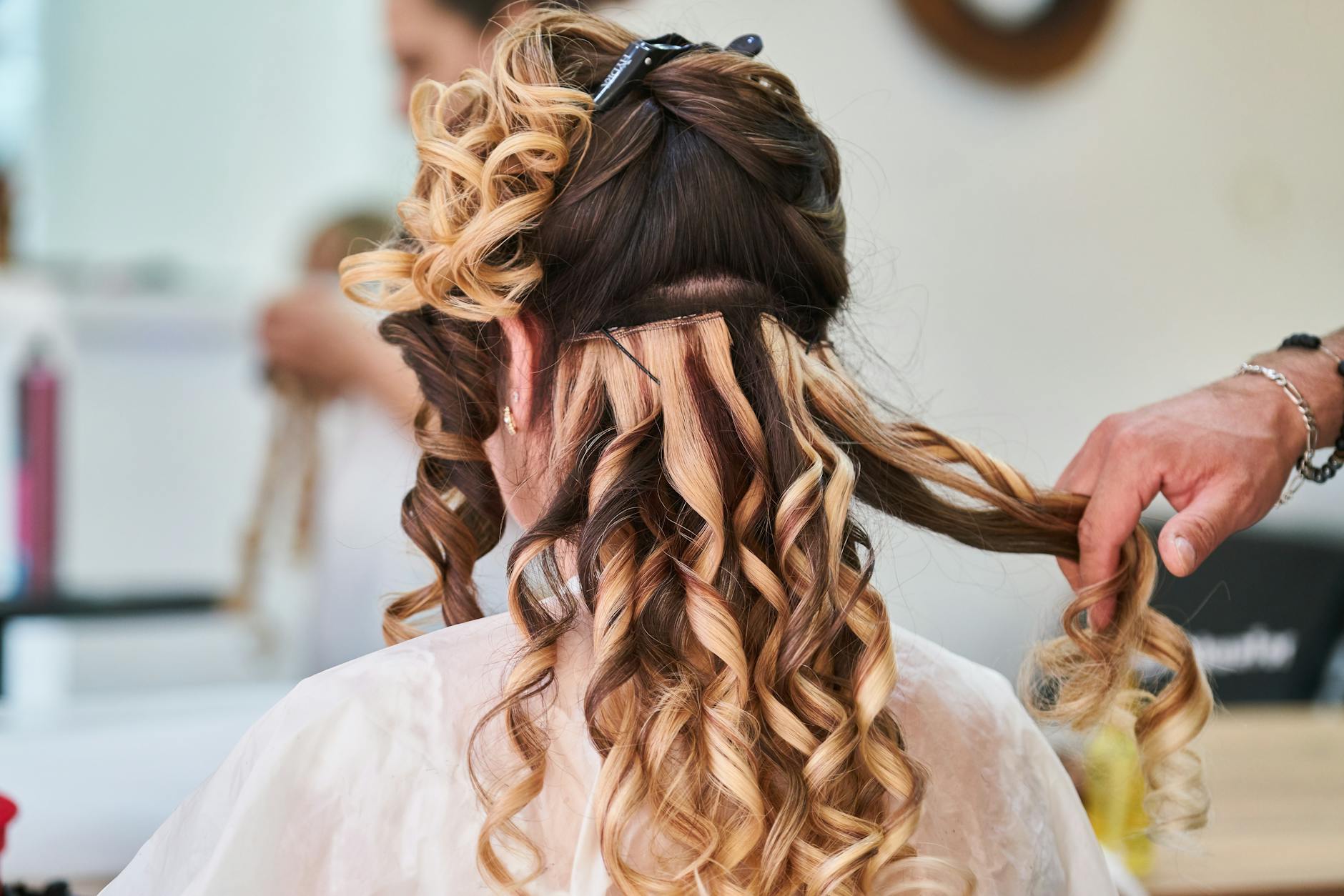
The genius weft is a machine-sewn extension weft engineered to lie flat against the scalp with a bead row attachment -- no bulk at the fold, no visible ridge through fine hair. It has replaced the traditional hand-tied weft as the benchmark profile standard in most professional salons because it eliminates the folded-weft bulk that was the single largest complaint stylists heard from clients wearing fine-hair installs.
Genius Weft: Definition
A genius weft is a hair extension weft constructed with a reinforced silicone-core weft base that allows it to be cut, capped, and beaded without the structural deterioration that causes traditional wefts to fray or shed at cut points. The silicone core holds the hair direction uniform across the weft width, so the attachment bead row can be positioned closer to the scalp than a folded weft allows. The result: a flatter attachment profile, more natural movement, and a scalp-to-bead distance that allows the extension weight to distribute across the bead row rather than concentrating at individual attachment points.
How Genius Weft Differs from Hand-Tied Weft
The hand-tied weft dominated the professional market for roughly a decade because it offered a thinner, more flexible weft base than machine-sewn alternatives. Its limitation is the attachment method: a hand-tied weft must be folded over the bead row before beading, which creates a double layer of weft base at the scalp. In fine hair, that fold is visible through the natural hair within weeks of install.
The genius weft solves the fold problem structurally. Because the weft base does not fray when cut, it can be beaded flat -- no fold required. Stylists across professional forums report that the flattest profiles they achieve on fine-density clients have shifted from hand-tied to genius weft over the past two service years, primarily for this reason.
| Feature | Genius Weft | Hand-Tied Weft |
|---|---|---|
| Attachment fold required | No | Yes |
| Fray risk when cut to size | Minimal (silicone core holds) | Higher without sealing |
| Scalp profile on fine hair | Flat | Fold creates visible ridge |
| Movement and flexibility | High | High |
| Service window | 8-12 weeks | 8-12 weeks |
Installation Method
Genius weft installation follows the standard bead-row method used for most weft extensions. Sections are taken horizontally across the head at the intended row placement, micro-beads are threaded onto natural hair strands at regular intervals, and the weft is threaded through the beads and clamped flat. The weft's silicone core allows the bead to grip without distorting the weft direction, which keeps the attachment zone uniform across the row width.
Row placement varies by density and installation goal. Most stylists place three to five rows: a base row at the nape, two mid-head rows for volume and length, and one or two crown-adjacent rows for blending. The genius weft's flat profile makes it the preferred choice for the crown rows, where the attachment bead is most visible through the natural hair and the fold of a hand-tied weft would create a detectable ridge.
Sizing and Cutting
Genius wefts are typically supplied in 22-24 inch widths and cut to match the client's head width at each row. Unlike machine-sewn wefts without a silicone core, a genius weft can be cut between any two hair bundles without triggering a fray cascade. The silicone core holds the cut end structurally, so a correctly cut and capped genius weft holds for the full service window without shedding.
Capping the cut end with a matching adhesive or sealant is still recommended as standard practice. The silicone core controls fraying, but a sealed end performs better over a full 12-week service window in clients who shampoo frequently.
Which Clients Are Best Suited to Genius Weft
Genius weft performs best on clients with fine to medium density who want the longest possible wear and the flattest possible profile. The method works on most natural textures when the attachment row is sized correctly for the client's density. It is not the first-choice method for clients in active growth stages post-partum or in treatment for thinning, where the bead row's tension requirements may exceed what compromised follicles can support safely.
For stylists evaluating genius weft for their service menu, the method adds a premium option above tape-in for clients who have graduated past clip-ins and want a longer wear cycle without the individual bond placement time of a K-tip install. At full rows, a genius weft install on a medium-density client typically takes 2-3 hours and holds for 8-12 weeks between moves.
Product Quality and Sourcing
Not all genius weft on the professional market performs identically. The silicone core construction varies between suppliers in core diameter, silicone grade, and how tightly the weft hair is sewn to the core. A thin core frays at cut ends by week four; a properly graded core holds for the full service window. Professional suppliers maintain consistent construction specifications across batches because their brand depends on stylist re-order rates.
The DHE Euro Collection includes genius weft in European-origin hair, with the full professional product catalog available to stylists through the Brand Partner Program.